Wang Ximeng
Introduction
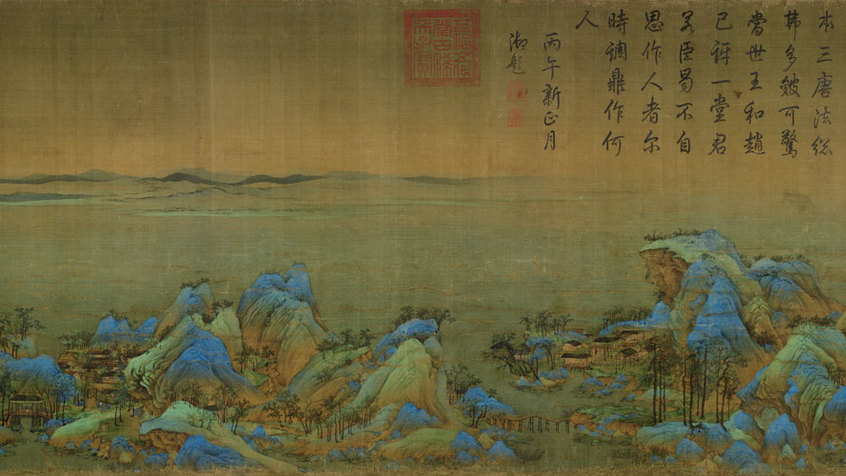
Wang Ximeng, a renowned figure in the annals of Chinese art history, was a prodigious talent who left an indelible mark despite his tragically short life. Born in 1096 during the Song Dynasty, Wang Ximeng is best known for his singular surviving masterpiece, A Thousand Miles of Rivers and Mountains. This painting is celebrated as one of the most significant works in Chinese fine art history, representing the pinnacle of blue-green landscape painting—a genre distinguished by its use of mineral pigments to create vibrant and enduring hues. The painting, an 11-meter-long scroll, captures the essence of natural beauty by blending realism with creative imagination, portraying mountains, rivers, villages, temples, and human activities. Now housed in the Palace Museum, this masterpiece continues to inspire and captivate audiences worldwide, underscoring Wang Ximeng's status as a legendary figure in the realm of art.
Early Life
Wang Ximeng's early life, much like his career, was marked by exceptional promise and potential. Born into the artistic milieu of the Song Dynasty, he was exposed to the rich cultural and artistic traditions of the time. His prodigious talent was recognized early on, leading him to become a member of the imperial painting academy at a very young age. Despite the scarcity of comprehensive historical records detailing his formative years, it is evident that his early exposure to court life and mentorship by the emperor significantly shaped his artistic inclinations and style. His rapid rise in the artistic community and his early death at the age of 23 only add to the mystique surrounding his life and legacy.
Artistic Career
Influences and Style
Wang Ximeng's artistic career, though brief, was profoundly influenced by the cultural and artistic environment of the Song Dynasty, a period renowned for its developments in landscape painting. His style is emblematic of the blue-green landscape painting tradition, a genre that utilizes vibrant mineral pigments to depict expansive natural scenes. This style, characterized by its meticulous attention to detail and use of bold, vivid colors, was a prominent feature of Chinese landscape painting during the Tang (618-907) and Song dynasties. Wang Ximeng's work stands out for its masterful blending of realism and creative imagination, allowing viewers to explore a richly detailed world that captures both the beauty of the natural environment and the intricacies of human life. His ability to convey an expansive sense of space and depth in his compositions, combined with the detailed portrayal of various elements like mountains, rivers, and human activity, reveals the influence of his imperial training and his own innovative spirit.
Notable Works
The most celebrated work of Wang Ximeng is undoubtedly A Thousand Miles of Rivers and Mountains. This revered painting, the only surviving work of his, is an extraordinary example of the blue-green landscape painting technique. Spanning an impressive 11 meters in length, the painting depicts a vast, continuous landscape scene filled with mountains, rivers, villages, and various human activities, all rendered in exquisite detail. The painting's sweeping composition and vibrant use of color capture the grandeur and vitality of the natural world, while simultaneously reflecting the cultural and artistic values of the Song Dynasty. The painting not only demonstrates Wang Ximeng's technical mastery but also his ability to imbue his work with a sense of majesty and timelessness. Beyond A Thousand Miles of Rivers and Mountains, there are no other surviving works definitively attributed to Wang Ximeng, which only heightens the painting's significance and mystique.
Legacy and Impact
Wang Ximeng's legacy is profound and enduring, especially considering the brevity of his life and the limited number of his surviving works. His contribution to the art world is primarily encapsulated in A Thousand Miles of Rivers and Mountains, which has been revered as a masterpiece of Chinese art for centuries. This painting not only exemplifies the peak of blue-green landscape painting but also serves as a vital cultural artifact that offers insight into the artistic practices and aesthetic sensibilities of the Song Dynasty. Wang Ximeng's work has continued to inspire generations of artists and has played a crucial role in preserving the blue-green painting tradition, which saw a decline in prominence following the rise of literati painting in later dynasties. In contemporary times, his painting has inspired various cultural products and performances, including dance dramas and exhibitions, showcasing its timeless appeal and cultural significance. Wang Ximeng's art remains a testament to his genius and continues to captivate and influence the art world.
Gallery
The gallery of Wang Ximeng's works, though centered around his sole surviving masterpiece, A Thousand Miles of Rivers and Mountains, offers a glimpse into his artistic vision and the brilliance of his technique. This painting, preserved in the Palace Museum, serves as a pivotal representation of his style and the blue-green landscape painting tradition. Exhibitions showcasing this work often include detailed depictions of the painting's elements, such as its mountains, rivers, and human figures, allowing audiences to appreciate the intricacy and grandeur of Wang Ximeng's art. Additionally, modern interpretations and adaptations through dance and other artistic mediums continue to bring new life to his masterpiece, ensuring that Wang Ximeng's legacy remains vibrant and accessible to diverse audiences around the world.








